

A cosmetic formula is only as steady as its raw materials. When a cream, balm, hair oil or lip product is made in repeat batches, the coconut oil going into the kettle needs to behave the same way in January as it did in July. For formulators, product developers and procurement teams, the buying decision is really a consistency decision.
At Sri Sellandiamman Oil Mill in Muthur, Kangayam, we press copra into crystal-clear water-white cold pressed coconut oil and supply it in bulk to cosmetic and personal care manufacturers, along with food, soap, Ayurveda and industrial buyers. This guide lists what to check before you commit to a bulk supplier, whether you buy from a mill, a trader or a repacker. If you want the short version for your category, see our page on coconut oil for cosmetic manufacturers.

Generated illustration — not a photograph from the mill.
Start with the spec sheet
Ask for a written specification before you ask for a price. A good spec sheet names the parameters your formulation team actually uses and states how each is tested. Typical items on a cosmetic raw-material request include appearance, colour, odour, moisture, acid value, peroxide value, iodine value, saponification value and fatty-acid profile.
Do not stop at a single headline number. Ask what the number is measured against, which laboratory ran it, and whether the figure comes from the batch you are buying or from an older reference lot. At our mill, every batch is lab-tested, and the latest independent report is published on the Quality page so you can read the real parameters, methods and limits before you write to us.
Fatty-acid profile is a good example. Lauric acid is the largest fatty acid in coconut oil, and it shapes how the oil feels, melts and behaves in a formula. In our latest independent lab report, lauric acid (C12:0) was 45.77% of total fatty acids, inside the FSSAI range of 44.0–53.2%. Batch values appear on each certificate of analysis.
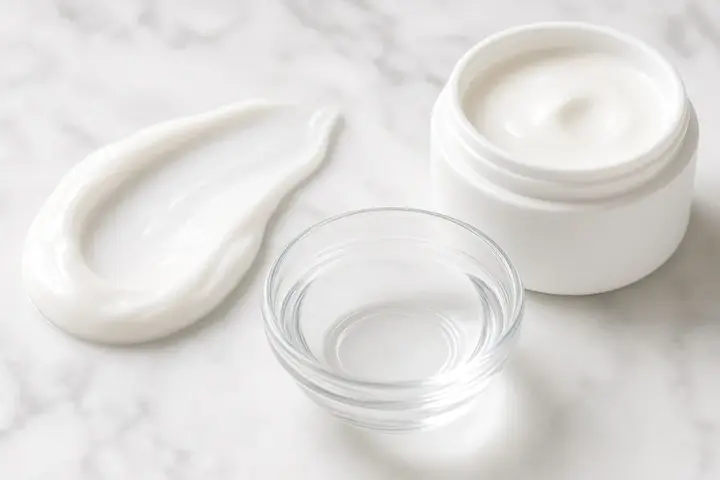
Generated illustration — not a photograph from the mill.
Confirm batch-to-batch consistency
A single approved sample is easy to send. Delivering the same oil across a year of production orders is the real test. Consistency comes from controlled raw material, one repeatable process line and a supplier that can say how much it presses each month.
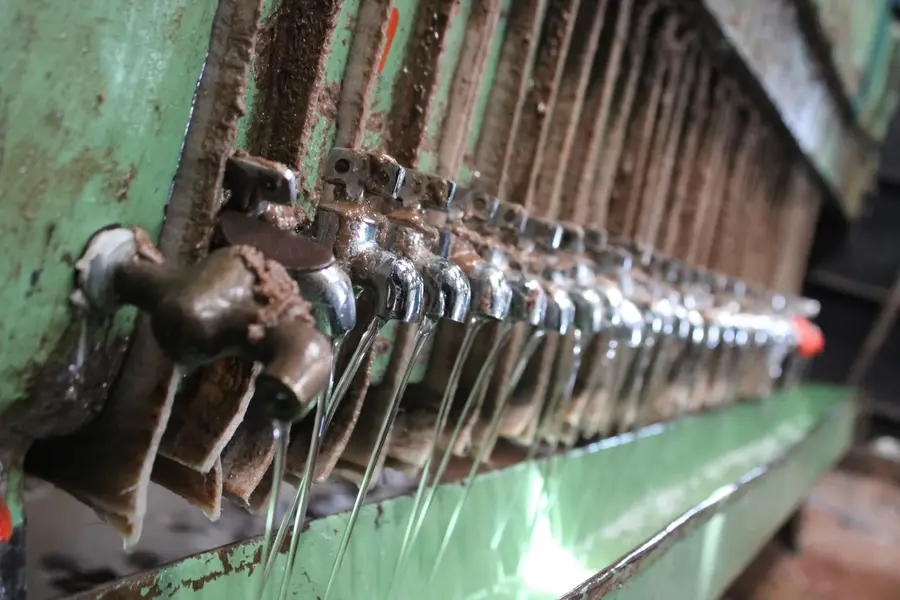
Sri Sellandiamman Oil Mill presses about 500 MT of Kangayam copra a month. Copra is dried to about 6% moisture, incoming lots are weighed on an in-house digital weighbridge, and the oil is pressed below 49°C on cold press expellers, then filtered in multiple stages down to 1 micron. The same standard applies to every consignment, batch after batch.
When you evaluate any supplier, ask these questions:
How is incoming raw material checked, and how is moisture controlled?
Is there one process line for every batch, or are lots blended from several sources?
How are batches numbered, and can the number on your drum be traced to a lab report?
What changes would you tell me about before they happen, such as a new filtration step or a new packing format?
Check colour, clarity and filtration
For cosmetics, appearance is the first signal your team will see. Look for a crystal-clear, water-white liquid with a clean, natural coconut aroma and no haze, sediment or burnt note. A yellow tint or a heavy smell usually points to poorly dried copra, overheated pressing or coarse filtration, and those differences carry through into a finished cream or hair oil.
Because coconut oil sets below about 24°C, a sample that arrives cloudy in a cold room is not a defect. Let it return to room temperature before judging clarity. Our guide to handling coconut oil in winter covers safe warming for drums and cans.

Look at the process behind the oil
Ask how the oil is made, not just what it looks like. Our oil is cold pressed below 49°C and filtered to 1 micron, and we do not sell refined, bleached and deodorised oil. If your formulation specification calls for a different oil type, it is better to find that out early than at the first production run.
Read the lab reports and batch documents properly
Independent reports carry more weight than a supplier's own statement. Every batch is lab-tested, with independent NABL-accredited reports from Chennai Mettex Lab Private Limited, and batch documents / CoA shared with your quote or dispatch. If you already have a batch number, you can look it up on our batch certificate page.
Beyond the lab, ask for the statutory papers your quality team files: FSSAI Central Licence 12414027001281, ISO 9001:2015 and ISO 22000:2018 certificates, GSTIN 33AYUPS4450N1ZM, IEC AYUPS4450N and Coconut Development Board RCMC No. 20214460. We are also a US FDA registered food facility. Registration with FDA does not mean FDA approval. Your own regulatory team decides which of these documents your market requires.
Match packing and quantities to your batch size
Cosmetic batches vary a lot, from a pilot run of a few kilograms to tonnes a month. Our B2B minimum order starts at 50 kg, and the minimum depends on the packaging you choose. The packing options are:
Road tanker: 10–35 MT
IBC: 1000 litres
200 kg HDPE barrel or epoxy coated MS drum
50 kg can, 20 kg can and 15 kg tin
Bulk orders dispatch within 7 working days of confirmation, with road transit of 7 to 10 days across India. For export, oil moves through Tuticorin, Chennai, Cochin, Nhava Sheva or Mumbai. If you also need finished bottles under your own brand, see our private label coconut oil options in 1 L and 500 ml, with a minimum run of 500 litres and a 7 to 10 day lead time.
Test before you scale
Ask for a sample, run it through your own stability and sensory checks, and compare it with the oil you use today. You can request one on our sample page. Visit the mill if your quality protocol needs it: buyers are welcome Monday to Saturday, 8:30 AM to 8:00 PM, Sunday closed. Write ahead through our contact page.
Frequently asked questions
What should a cosmetic manufacturer ask for before buying bulk coconut oil? Ask for a written specification, a recent independent lab report, the batch certificate of analysis, statutory licences such as FSSAI, and the packing formats and lead times for your volume. Then run a sample through your own checks.
Do you share lab reports and a certificate of analysis? Yes. Every batch is lab-tested, with independent NABL-accredited reports from Chennai Mettex Lab Private Limited, and batch documents / CoA shared with your quote or dispatch.
What is the minimum order for cosmetic buyers? B2B orders start at 50 kg, and the minimum depends on the packaging you choose. Private label bottles have a minimum run of 500 litres.
How is the oil made, and what does water-white mean? Copra is dried to about 6% moisture, pressed below 49°C on cold press expellers and filtered to 1 micron. Water-white means a crystal-clear, colourless liquid with no visible sediment or haze.
Can I visit the mill or send my QA team? Yes, Monday to Saturday, 8:30 AM to 8:00 PM, Sunday closed. Email manojkumar@srmcoconutoil.com or WhatsApp +91 79040 52374 first.
Ask for a sample or a quote
One Mill. One Standard. Every Batch. Tell us your packing format, monthly quantity and delivery location on WhatsApp (+91 79040 52374), by email at manojkumar@srmcoconutoil.com, or through our quote form. For the full cosmetic supply overview, visit coconut oil for cosmetic manufacturers.